📢 The DCR (Domestic Content Requirement) Policy implementation has been extended until 31st December 2026 for the solar sector. 🌞 Claim Up to ₹78,000 Government Subsidy Before 31 March 2027 – Switch to Solar with Anany Urja.     📢 The DCR (Domestic Content Requirement) Policy implementation has been extended until 31st December 2026 for the solar sector. 🌞 Claim Up to ₹78,000 Government Subsidy Before 31 March 2027 – Switch to Solar with Anany Urja.    
Why Warehouses & Logistics Parks Are Rapidly Switching to Solar

Drive past any logistics park and you will notice the same thing: acres of flat, empty roof. A few years ago that was just a roof. Today more warehouse owners see it as an asset that can cut the power bill. The shift is not a fad. It comes from how warehouses use electricity and what solar does well. Here is why, and what owners should get right before they begin.

Big Roofs, Few Obstacles

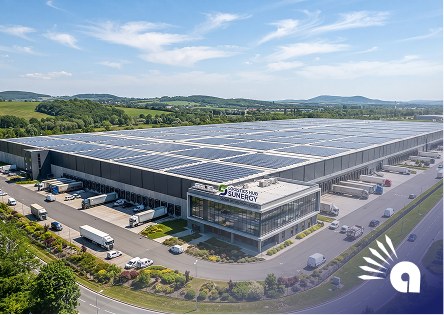
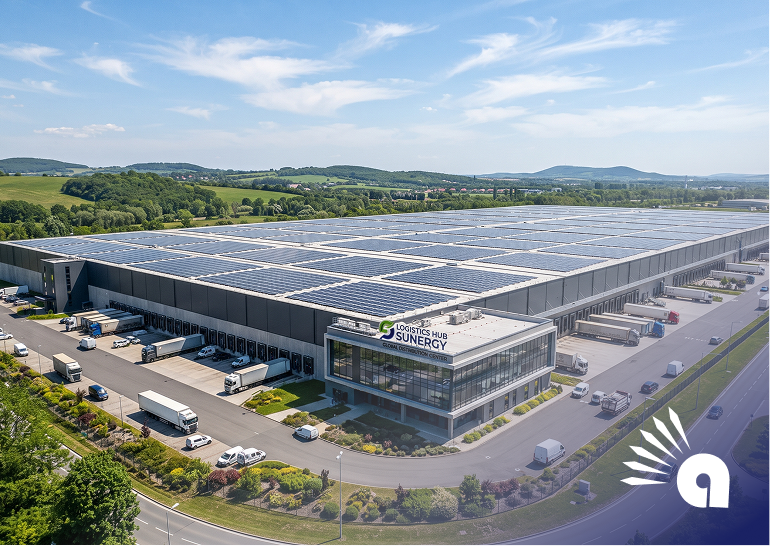
A warehouse is close to an ideal solar site. The roof is large, often flat or gently sloped and mostly free of shade from taller buildings. Large clear areas mean more panels can be laid out in a tidy, efficient pattern, which keeps installation simpler and the cost per kW manageable. Compare that with a crowded urban rooftop, where tanks, stairwells and neighbouring buildings eat into usable space.

Daytime Power Demand Fits Solar Well

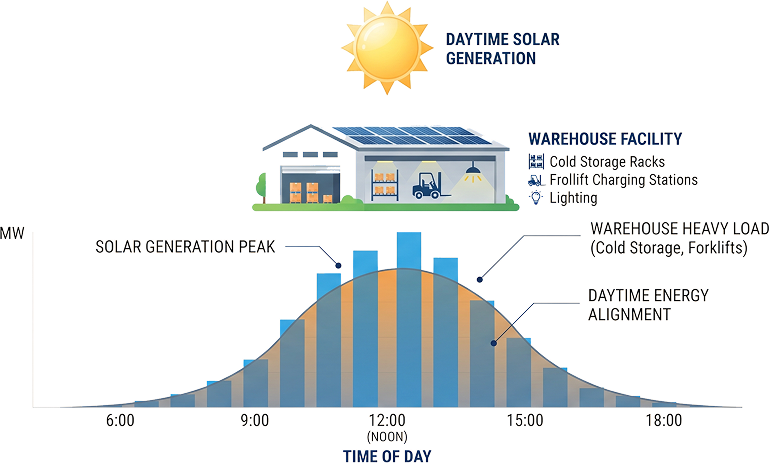
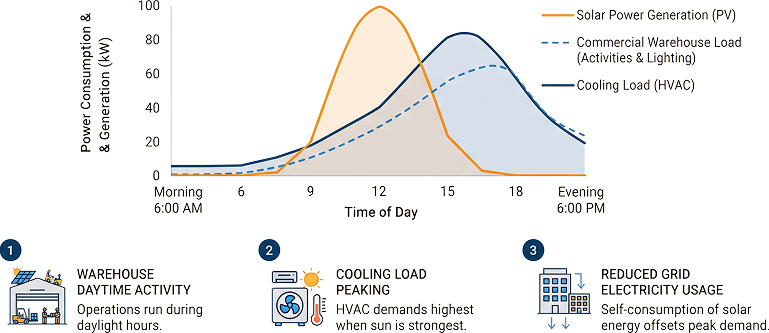
Solar generates when the sun is up, and most warehouses are busiest in daylight. Loading and unloading, conveyors, lighting, offices and forklift charging all run through the working day. Cold storage adds a heavy cooling load that peaks in the heat, which is also when solar output is strong. When generation and consumption overlap, more of the solar power is used on site, and less is bought from the grid at commercial tariffs.

Predictable Costs and Better Returns

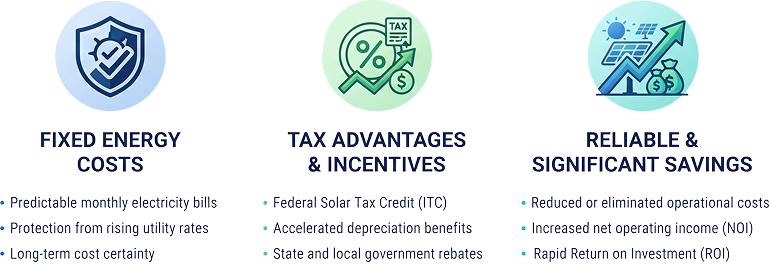
Electricity is a recurring cost that rarely goes down. Solar turns a part of it into a fixed, predictable one for decades. Business owners also benefit from tax advantages and, with financing options available, can start without paying the full cost upfront. Warehouses tend to have steady occupancy and long operating hours, so the savings add up reliably year after year.

Sustainability Is Part of the Pitch

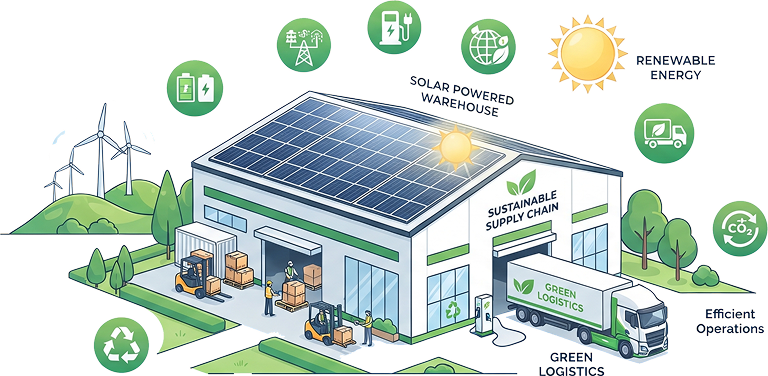
Some large clients and brand owners now look at the environmental footprint of their supply chain. A warehouse running partly on solar can show lower emissions, which helps when bidding for contracts or dealing with customers who track sustainability. For logistics parks leasing space, solar can also make units more attractive to tenants who want lower, steadier power costs.

Check These Before You Switch

Switching is simple when the basics are right. Have the roof inspected for age, condition and load capacity, since panels will sit there for decades. Size the plant to your daytime load rather than to roof area alone. If you lease the building, confirm who owns the system and who benefits from the savings. Plan for safe access, fire safety and regular cleaning, because dust builds up quickly around yards and loading bays. An Anany Urja site survey is the right place to settle all of this.

How Anany Urja Helps Warehouses Go Solar

Anany Urja, a trusted solar EPC company in Surat, Gujarat, designs customized rooftop systems for warehouses, industrial facilities and commercial buildings. The process starts with consultation, a site survey and a feasibility study, followed by engineering and design planned by experienced engineers for maximum generation and high safety standards. As a commercial solar EPC company, Anany Urja manages procurement of premium components, government approvals and documentation, installation, testing and commissioning, with financing assistance and tax benefits for business customers. Remote monitoring through SOLARMAN Smart tracks daily generation and detects faults instantly, and its O&M support provides preventive maintenance and system health checks. Backed by 50+ MW installed and 5,000+ customers, Anany Urja also develops ground mount captive plants and solar parks such as the 5.6 MW Katkoi Tilakwada project.

Conclusion

Warehouses and logistics parks have the roof space, the daytime load and the long operating hours that make solar pay. Check the roof, size to your load and plan for upkeep, and the switch becomes straightforward. To see what solar could do for your facility, talk to the Anany Urja team about a site survey.

Frequently Asked Questions

Does Anany Urja install solar on warehouses?

Yes. Anany Urja designs customized rooftop systems for warehouses, industrial facilities and commercial buildings.

Does Anany Urja help with financing?

Yes. Anany Urja offers financing assistance and project consultation for business customers.

Are tax benefits available for commercial solar?

Commercial customers get tax benefits with solar. Ask the Anany Urja team how they apply to your project.

Can I monitor my warehouse plant remotely?

Yes. SOLARMAN Smart tracks daily generation, monitors performance and detects faults instantly.

Does Anany Urja provide O&M?

Yes. Anany Urja offers preventive maintenance, performance monitoring, system health checks and technical support.

Which projects has Anany Urja completed?

Solar parks of 1.8 MW at Khambhaliya, Visavadar and 5.6 MW at Katkoi Tilakwada, plus rooftop installations in Gujarat.

Inquiry Now