📢 The DCR (Domestic Content Requirement) Policy implementation has been extended until 31st December 2026 for the solar sector. 🌞 Claim Up to ₹78,000 Government Subsidy Before 31 March 2027 – Switch to Solar with Anany Urja.     📢 The DCR (Domestic Content Requirement) Policy implementation has been extended until 31st December 2026 for the solar sector. 🌞 Claim Up to ₹78,000 Government Subsidy Before 31 March 2027 – Switch to Solar with Anany Urja.    
Before Installing Solar, Read Your Electricity Bill Like an Expert

Before Installing Solar, Read Your Electricity Bill Like an Expert-main

A shop owner in Vesu once asked Anany Urja for a 10 kW rooftop system because his neighbour had installed the same size. His actual bill told a different story: his sanctioned load was only 6 kW, and his monthly consumption pattern meant a 10 kW system would barely reduce his bill while costing far more upfront. Anany Urja’s team resized the proposal after a single look at his last three bills. Most solar sizing mistakes start exactly here, with a bill nobody actually read closely.

Sanctioned Load Is the First Number That Matters

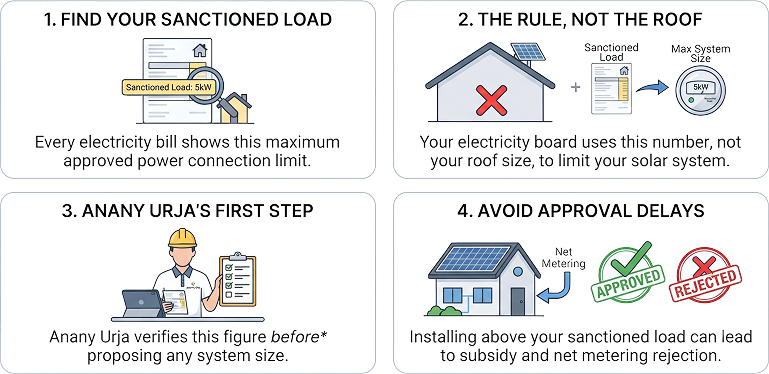
Every electricity bill lists a sanctioned load or contract demand, the maximum power the connection is approved to draw. This number, not the roof area, is what your electricity distribution company uses to decide how large a solar system your connection can support under net metering rules. Anany Urja checks this figure before proposing any system size, since a solar installation that exceeds the sanctioned load can run into approval delays or even rejection during the subsidy and net metering process.

Sanctioned Load Is the First Number That Matters

Units Consumed Tells the Real Story

The units consumed, measured in kWh, shown on each bill reveals actual usage, which is often very different from what a connected load suggests. A factory running two shifts consumes very differently from one running a single shift, even with identical machinery. Anany Urja’s engineers ask for the last six to twelve months of bills specifically to spot seasonal swings, since a system sized only on one month’s bill during peak production season often gets oversized for the rest of the year.

Load Factor and Tariff Slabs Change the Math

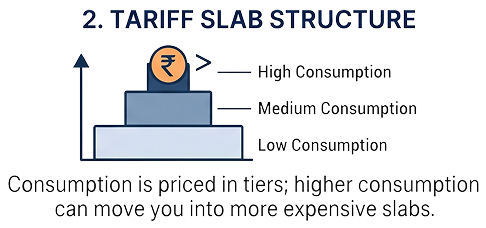
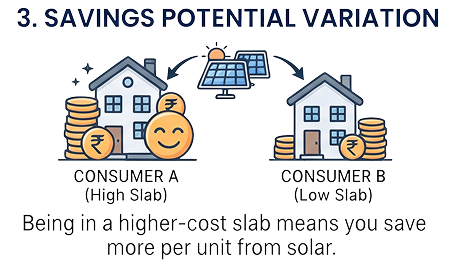
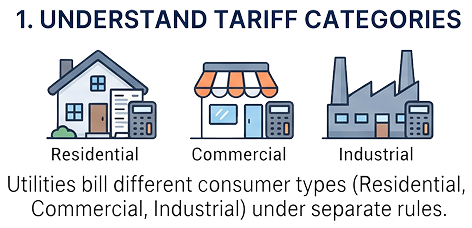
Utilities in Gujarat bill residential, commercial, and industrial connections under different tariff slabs, and consumption within each slab is priced differently. A connection sitting near the top of a slab may save more per unit from solar than one comfortably inside a lower slab. Anany Urja’s team reviews tariff category and slab structure as part of every feasibility study, because the actual rupee savings from solar depend on where your consumption falls, not just how many units you use.

understand-tariff-categories
Tariff-slab-structure
potential-variation
ananyurja-feasibility-study

Connected Load vs Sanctioned Load

Many bills show a connected load, which is the sum of every appliance and machine on the premises, separately from the sanctioned load, which is what the utility has actually approved. The gap between these two numbers often surprises factory and commercial building owners. Anany Urja flags this difference early, since it directly affects whether a sanctioned load increase application is needed alongside the solar installation, particularly for industrial units in Surat and Ahmedabad planning larger rooftop systems.

Billing Cycle and Peak Demand Charges

Some commercial and industrial connections also carry demand charges based on peak load drawn during the billing cycle, separate from the per unit energy charges. A business that spikes its power draw during specific hours, such as a factory running heavy machinery in the morning shift, may be paying demand charges that a rooftop solar system cannot fully offset, since solar generation follows sunlight hours rather than the connection’s peak draw pattern. Anany Urja walks through this distinction with commercial and industrial clients so expectations around bill reduction stay realistic from day one, rather than assuming solar will eliminate every line item on the bill.

Why Anany Urja Starts With the Bill, Not the Roof

For Anany Urja, the electricity bill is treated as a technical document, not paperwork to file away. Before any site survey or feasibility study begins, Anany Urja’s team reviews the sanctioned load, monthly consumption trend, tariff category, and billing cycle to build a realistic picture of how much a solar system can actually save. This is why Anany Urja rarely recommends the largest system a roof can physically hold. Instead, the recommendation is sized against real consumption data, backed by Anany Urja’s experience across residential, commercial, and industrial rooftop projects in Gujarat. Once a system size is confirmed, Anany Urja also handles the paperwork tied to net metering and government subsidy applications, since incorrect load declarations are one of the most common reasons rooftop solar approvals get delayed. Customers working with Anany Urja get this bill review as a standard first step, not an optional add-on, before any component is procured or quote finalized.

TOPCon Technology: Tunnel Oxide Passivated Contact

Older-PERC-cell-structure

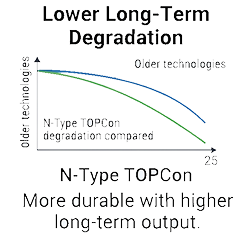
TOPCon uses an ultra-thin oxide layer that reduces electron recombination losses, converting more sunlight into usable power compared to older PERC.

KEY BENEFITS FOR INDIA

High Efficiency N-Type TOPCon Solar Panels are the preferred choice for residential, commercial, and industrial buyers across India.

Conclusion

A roof determines how much solar you can physically install, but the electricity bill determines how much of it actually makes financial sense. Reading sanctioned load, consumption trends, and tariff slabs correctly, the way Anany Urja does before every project, is what separates a solar system that pays for itself on schedule from one that sits oversized and underused. The bill is where a good solar decision actually starts.

Frequently Asked Questions

Why does Anany Urja ask for old electricity bills before quoting a solar system?

Anany Urja reviews six to twelve months of bills to understand actual consumption patterns and sanctioned load before recommending a system size.

Can Anany Urja install a system larger than my sanctioned load?

Not directly. Anany Urja checks the sanctioned load first, since exceeding it usually requires a separate load enhancement application with the utility.

Does Anany Urja help with net metering paperwork?

Yes, Anany Urja assists with government subsidy guidance and documentation, including net metering related paperwork, as part of its EPC process.

How does my tariff slab affect solar savings with Anany Urja?

Anany Urja factors in your tariff category and slab during feasibility study, since savings per unit vary depending on where your consumption falls.

What is the difference between connected load and sanctioned load?

Connected load is the total capacity of all appliances on site, while sanctioned load is what the utility has officially approved, and Anany Urja checks both.

Is a bigger solar system always better for my property?

Not necessarily. The right size depends on actual consumption and sanctioned load, which is why Anany Urja sizes systems against real bill data.

Inquiry Now